Trump announces new tariffs on 14 trading partners including China and Singapore
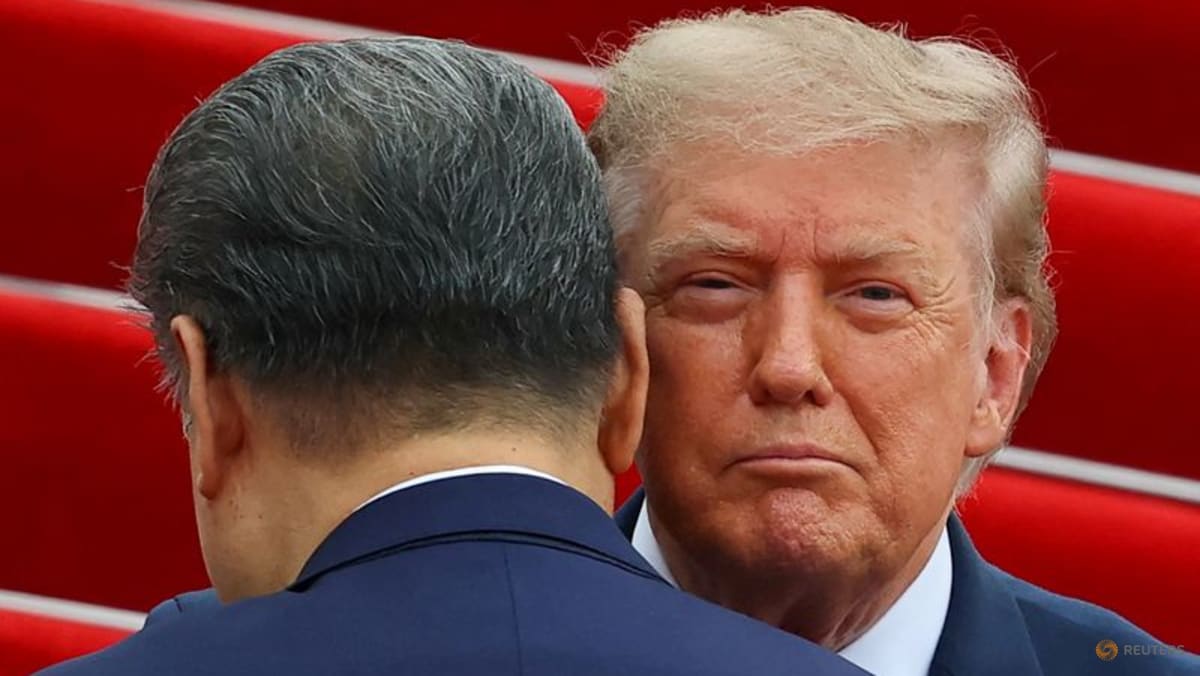
WASHINGTON: United States President Donald Trump reignited global trade tensions on Wednesday (Nov 25) by proposing new tariffs on some of the US’ largest trading partners, including China and Singapore, undeterred in his protectionist push by losses by his Republican Party in US midterm elections.
His administration proposed levies on 14 trading partners to combat what it calls structural excess industrial capacity. The highest rate of 20 per cent would hit China, which Washington blames for flooding world markets with cheap exports of everything from steel to electric vehicles and solar products.
“We know that they don’t like these actions, but we are seeking stability with the Chinese. China is seeking stability with us,” a senior US official said, adding Trump’s meeting with Chinese President Xi Jinping last week was “really great”.
Beijing earlier reiterated its opposition to “trade wars” and dismissed the notion of overcapacity, but stopped short of threatening retaliation.
“The so-called ‘overcapacity’ is a false issue, and China opposes using it as an excuse for political manipulation,” Foreign Ministry spokesperson Guo Jiakun said, urging the world’s two top economies to maintain stable relations.
The senior US official said the administration also proposed tariffs on Bangladesh, Cambodia, the European Union, India, Indonesia, Japan, South Korea, Malaysia, Singapore, Switzerland, Taiwan, Thailand and Vietnam. For now, Mexico and Norway are excluded from new levies.
The new duties will take into account any trade deals agreed with the Trump administration and will not stack on top of some previous tariff rounds, suggesting many countries may not see a massive increase in the trading cost with the US.
Even so, the prospect of new trade burdens weighed on stock markets on Wednesday as a tech-led rally continued to run out of steam. MSCI’s gauge of stocks around the globe fell 0.5 per cent.
“It is another reminder that while the legal justification for tariffs keeps changing, US protectionism is becoming increasingly difficult to unwind,” ING analysts wrote.