When should kids start sports? Experts share advice on training, injury risks and competition
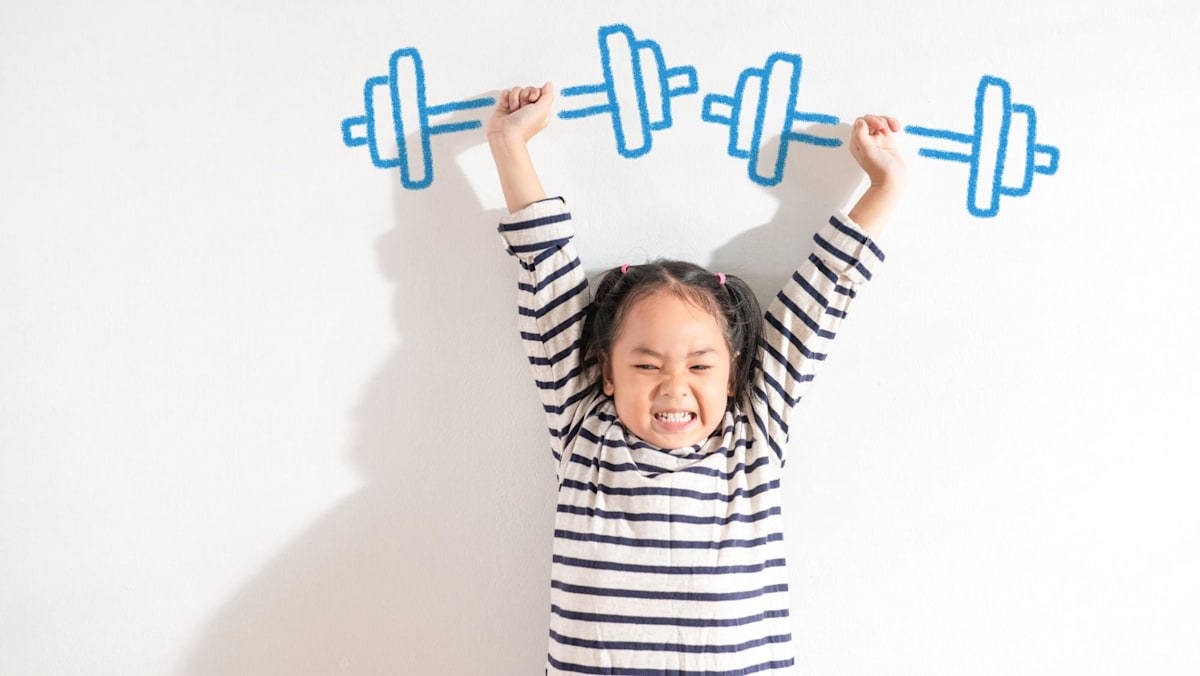
In fact, children can begin “active play and movement-based activities from approximately three to five years of age”, said Dr Abiramy Anathan, a family physician and consultant head at Clementi Polyclinic, National University Polyclinics. “Developmental readiness is more important than chronological age.”
At three to five years old, the emphasis is on enjoyment – as well as developing fundamental movement skills such as running, jumping, balancing and throwing, said Dr Abiramy.
Moreover, an early start is not essential for your child to want to continue playing the sport beyond the trial period. “Long-term success is more closely related to enjoyment, sustained participation, quality coaching, and progressive skill development,” said Dr Abiramy.
On the other hand, starting children young can teach them “that being active is healthy” and that the fun they’re having will promote a healthier wellbeing, said Dr Michelle Cleere, a US-based mental training coach with credentials in clinical psychology and sports psychology.
Other than the physical benefits (improves cardiovascular fitness, strengthens muscles and bones, enhances coordination and balance, and supports healthy weight), said Dr Abiramy, there are also social benefits to be reaped. For instance, she cited, sports can help to “develop teamwork and communication skills, encourages leadership and cooperation, and promotes friendship and social connectedness”.
Dr Loo highlighted another advantage of an early start: teaching your child emotional regulation or the ability to cope with both success and disappointment that comes with playing sports. “The developmental value of competition is greatest when the focus remains on learning, effort and personal improvement rather than winning alone.” (More about competition in a bit.)